Whole blood assays provide a physiologically relevant platform for studying immune responses and compound activity in a complex human biological environment. By analysing immune cell activation, cytokine release and functional responses directly in fresh human whole blood, researchers can obtain insights that are often difficult to reproduce using isolated cell cultures.
At BioMedha, we develop and perform human whole blood assays using freshly collected donor samples from our on-site blood donor panel. These assays enable drug discovery teams to investigate immune responses, compound activity and potential immune safety profiling during early-stage research.
Why whole blood assays are important in drug discovery
Whole blood assays preserve the natural interactions between immune cells, serum proteins, platelets and other blood components. This allows researchers to evaluate immune responses within a system that closely reflects the human physiological environment.
Compared with assays using isolated immune cells or immortalised cell lines, ex vivo whole blood assays can provide valuable insight into:
Compound activity, potency, and efficacy
Immune functional response
Cytokine release and signalling pathways
Biomarker and target expression
Immune-mediated or compound induced toxicity
Translational immune responses to small molecules and biologics
Whole blood assays are particularly useful during early drug discovery, immunology, immuno-oncology, and inflammation research, where understanding immune activation or inhibition or immune safety risks is critical.
Assays performed using human blood donor sample within couple hours of collection
Integration with multiple detection platforms including:
Luminex multiplex cytokine analysis
Flow cytometry
ELISA
AlphaLISA
These platforms allow researchers to analyse immune responses across multiple immune cell types while maintaining the biological complexity of whole blood.
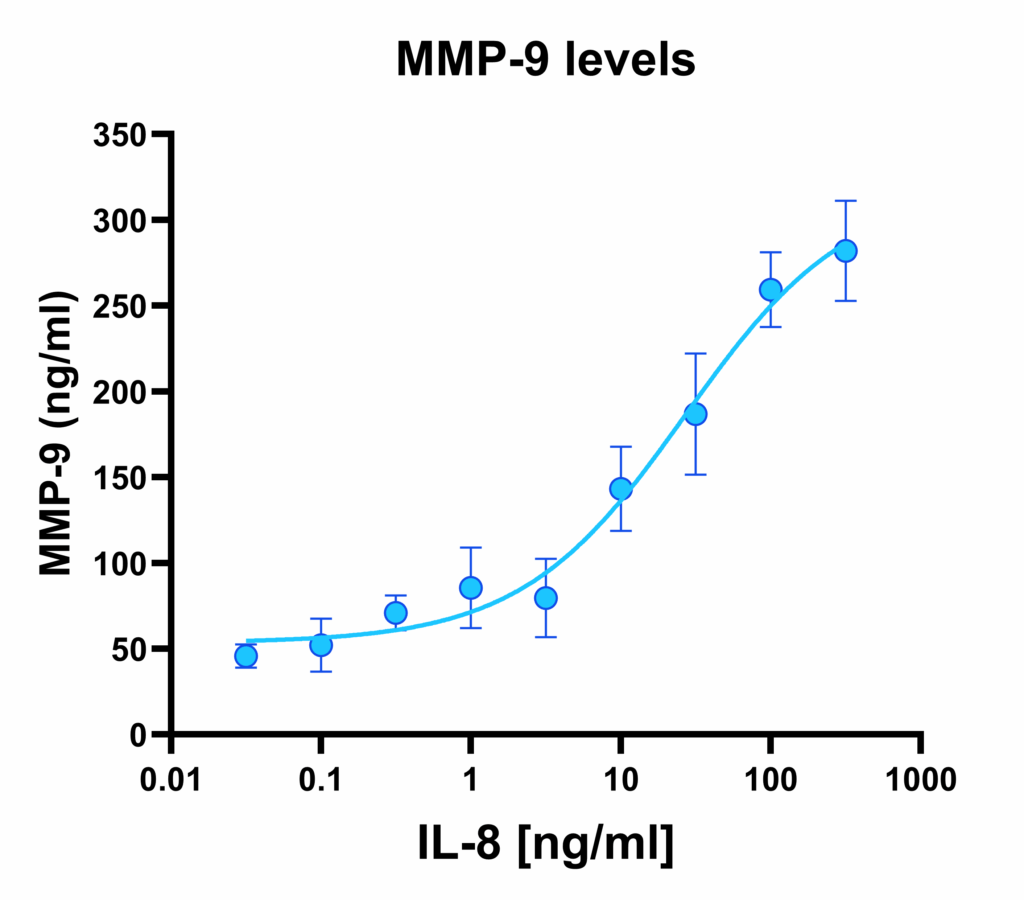
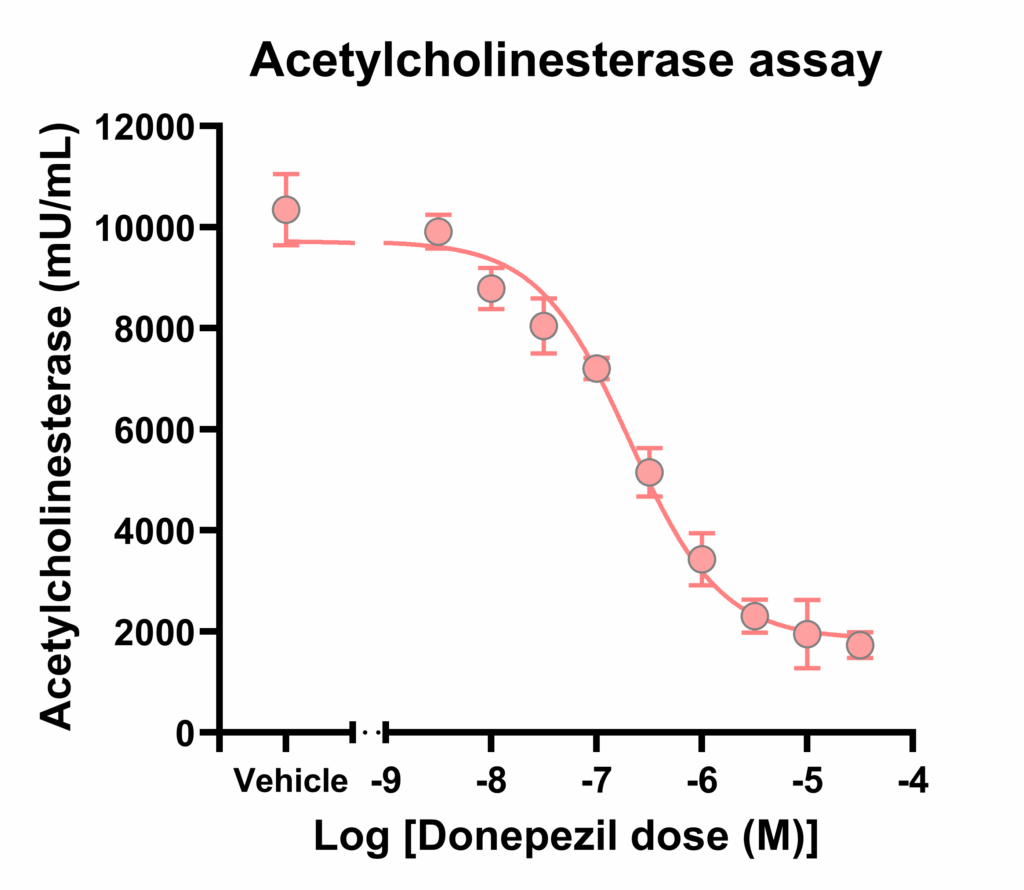
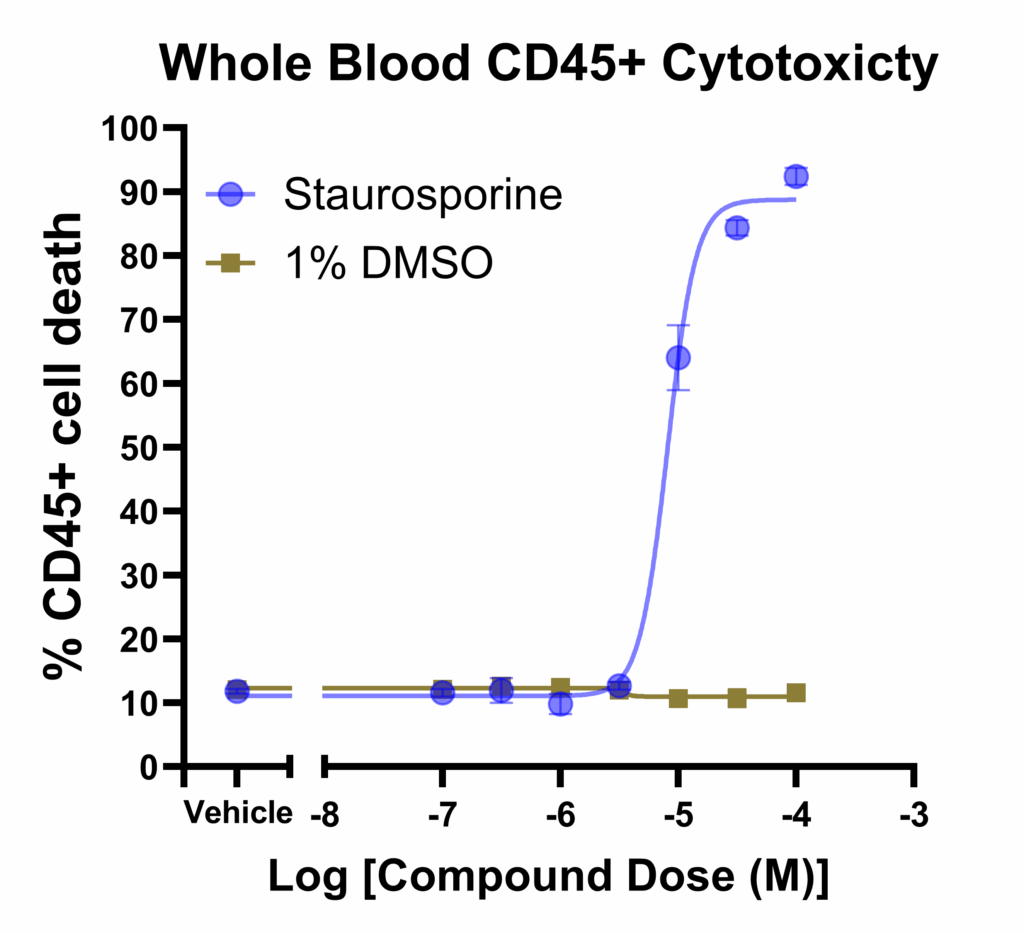
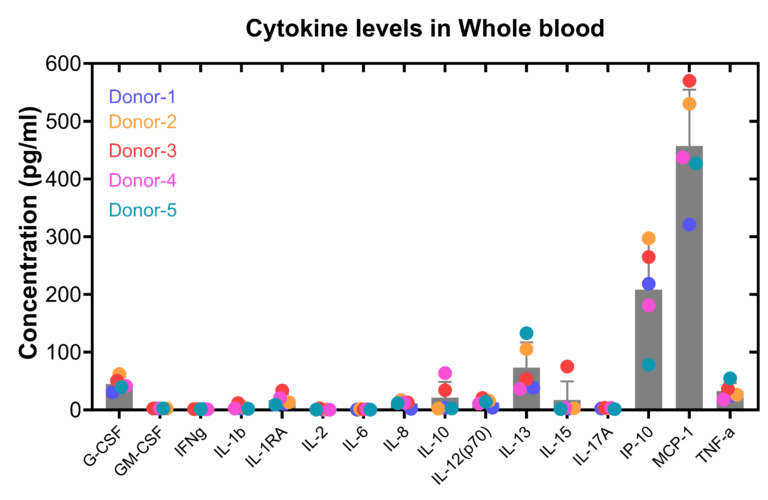
Example whole blood assay case studies
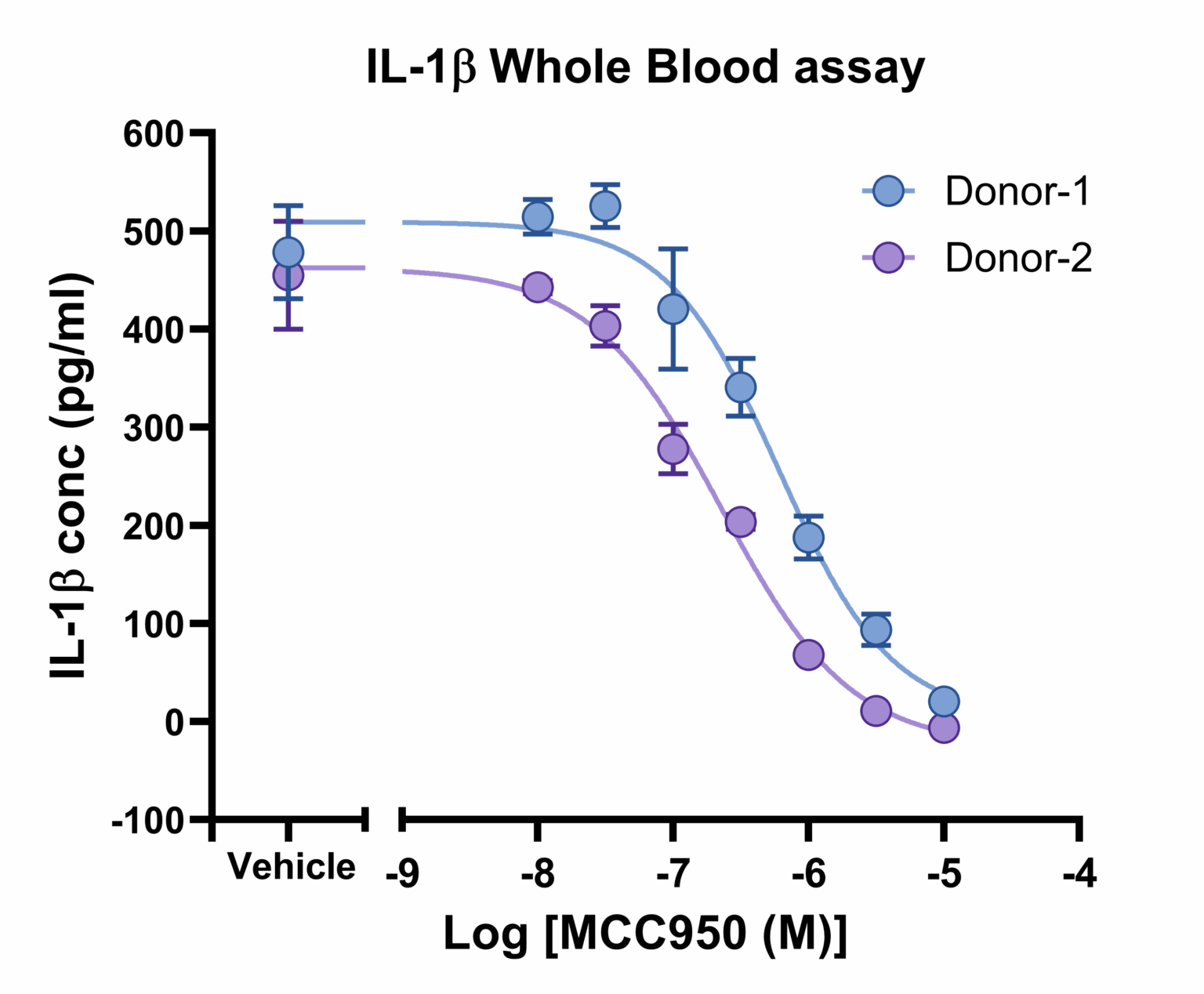
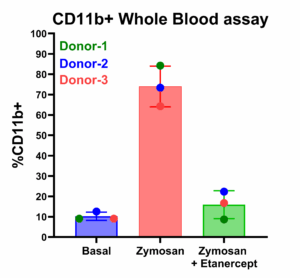
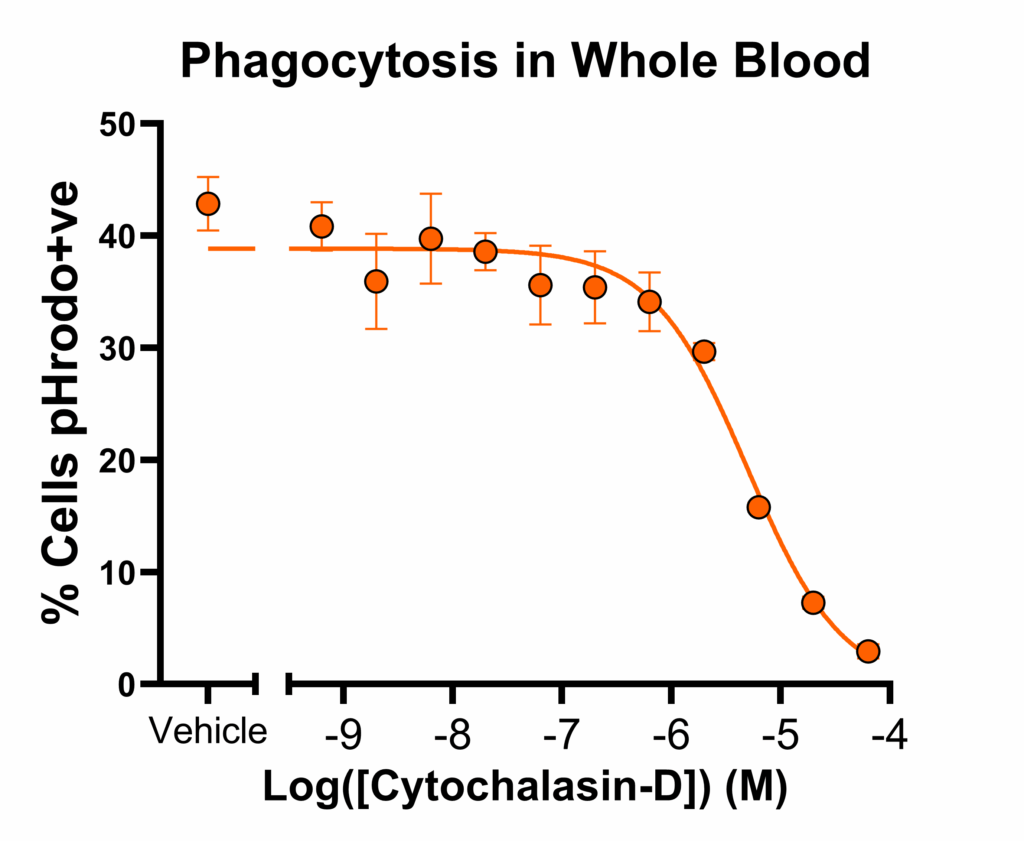
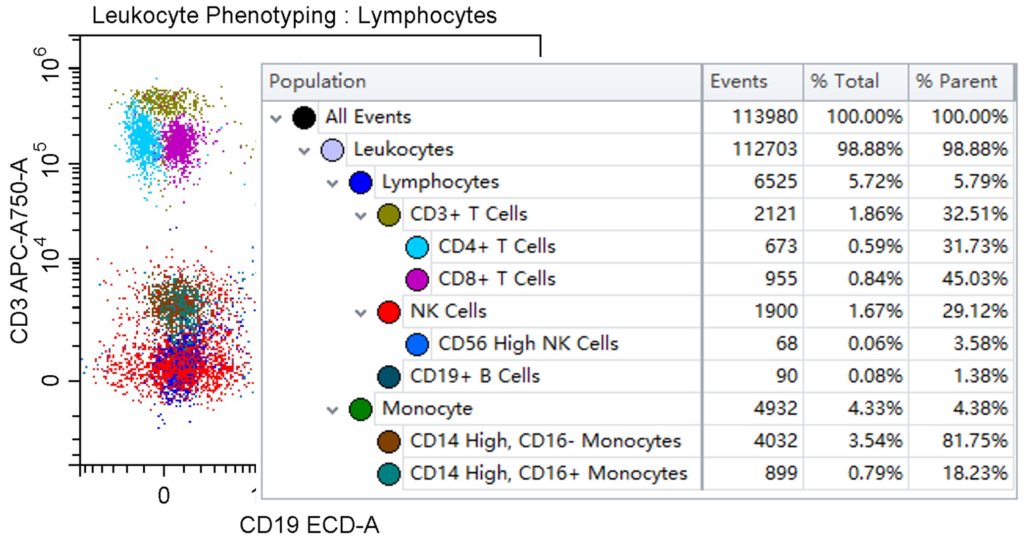
The following examples summarise representative assay readouts developed at BioMedha using human donor whole blood.
Using freshly collected human whole blood provides a powerful tool for understanding immune responses in a biologically relevant context.
Because multiple immune cell populations and soluble mediators remain present, whole blood assays allow researchers to observe immune activation within a system that better reflects human in vivo biology.
These assays can support studies including:
Cytokine release assessment
Signaling pathway and immune mechanism-of-action studies
If you are exploring immune responses and compound activity in human whole blood and immune cell models, our scientists can help design a study aligned with your research objectives.